Nature - Season 14
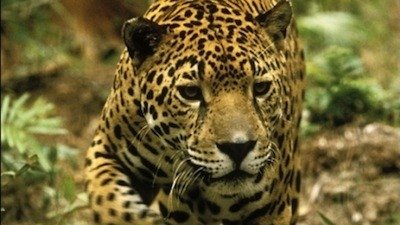
1 - Jaguar: Year of the Cat
Air Date: October 8, 1995
"Jaguar: Year of the Cat" follows the predator in its native rain forests of Belize. Included: a pair stalk turtles, peccaries and armadillos; scenes of the habits of their animal neighbors, including toucans and ocelots.
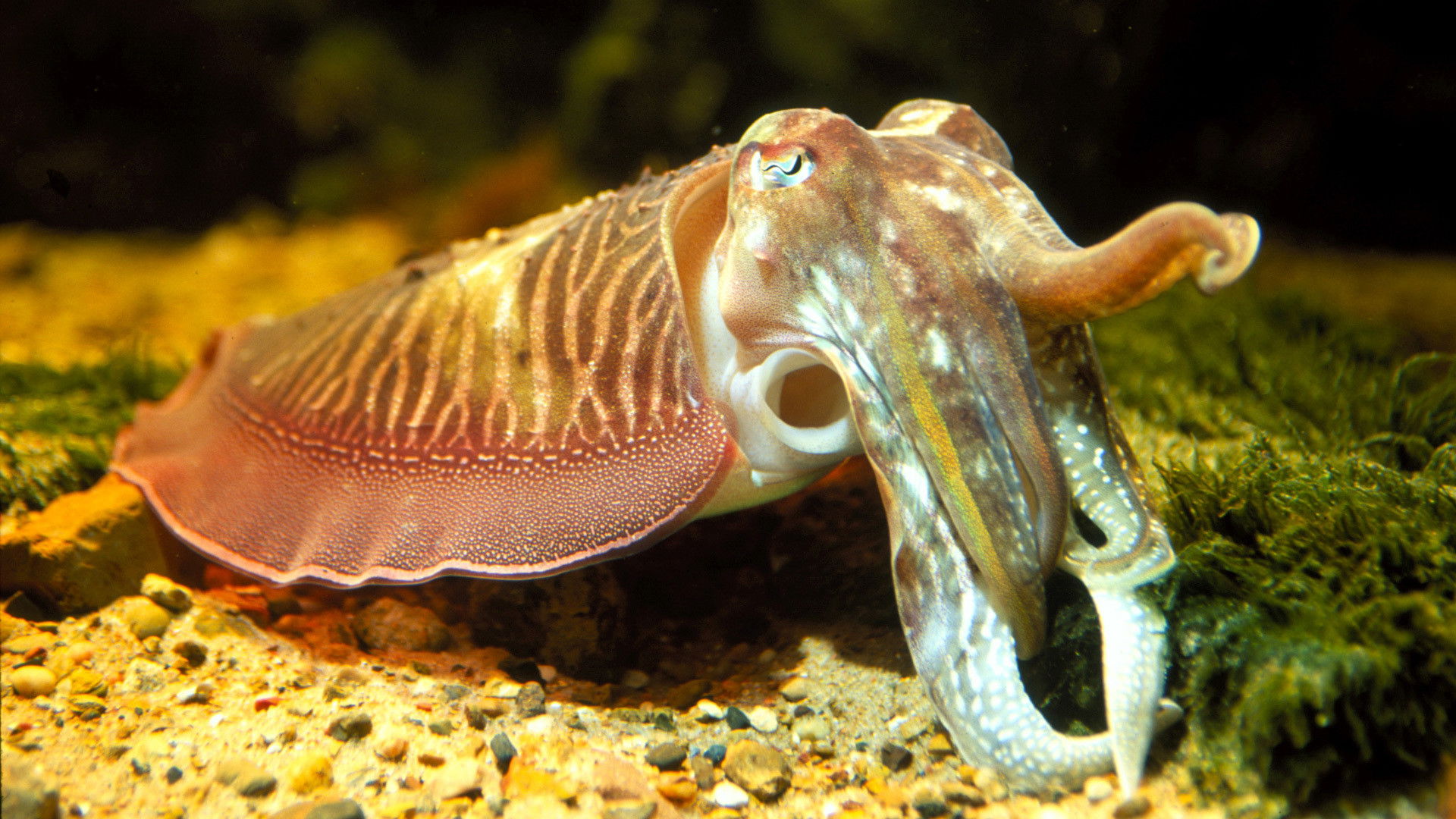
2 - Incredible Suckers
Air Date: October 15, 1995
NATURE takes you into the depths of the ocean to discover the most remarkable life still undiscovered on our planet that will certainly be found in the sea.

3 - Monkey in the Mirror
Air Date: November 5, 1995
Considering the similarities between simian and human intelligence. Included: a chimpanzee demonstrating a sense of self, as he recognizes his own reflection; how certain chimps can use tools; a chimp species that has recreational sex.
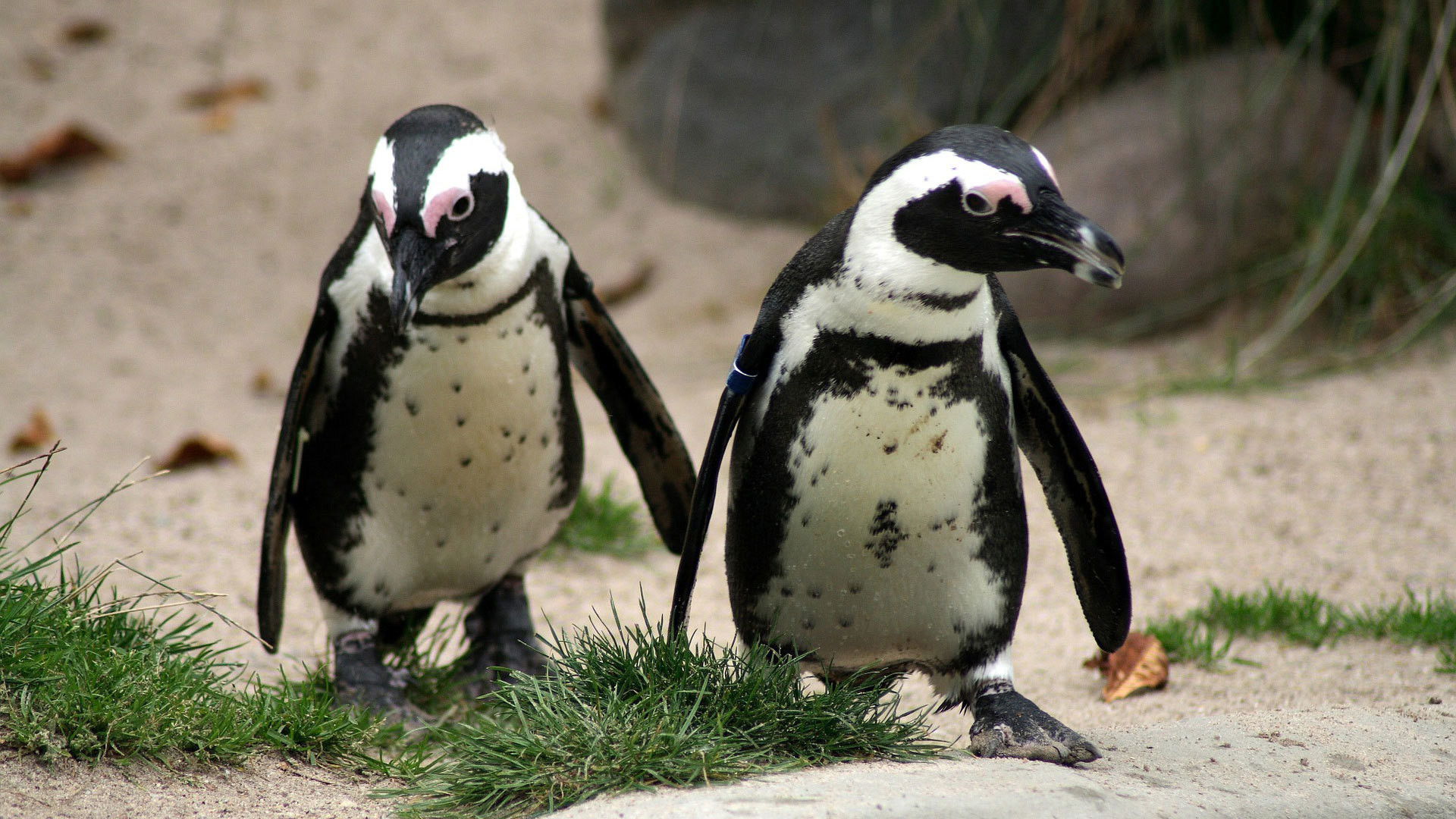
4 - The World of Penguins
Air Date: December 3, 1995
Travel to "The World of Penguins” to discover the great variety of these aquatic birds.
5 - Castaways of Sulawesi
Air Date: December 17, 1995
Exploring the Indonesian island of Sulawesi, formed when Asia and Australia separated, which combines elements of both continents. Included: crested black macaques; a reticulated python; the babirusa ("pig-deer"); red-knobbed hornbills; fruit bats.
6 - Hunters of the Sea Wind
Air Date: January 14, 1996
Following the "Hunters of the Sea Wind," predators that stalk a Pacific current for the thousands of fish it carries. Included: dolphins; yellowfin tuna; blue marlins; lantern fish; and sailfish. Also: tuna fishermen releasing dolphins from their nets.
7 - Parrots: Look Who's Talking
Air Date: February 4, 1996
A look at parrots, birds with a playful nature and remarkable mimicry skills that have endeared them to pet owners worldwide. Included: the largest parrot species, the hyacinth macaw; scarlet macaws, white cockatoos and monk parakeets.
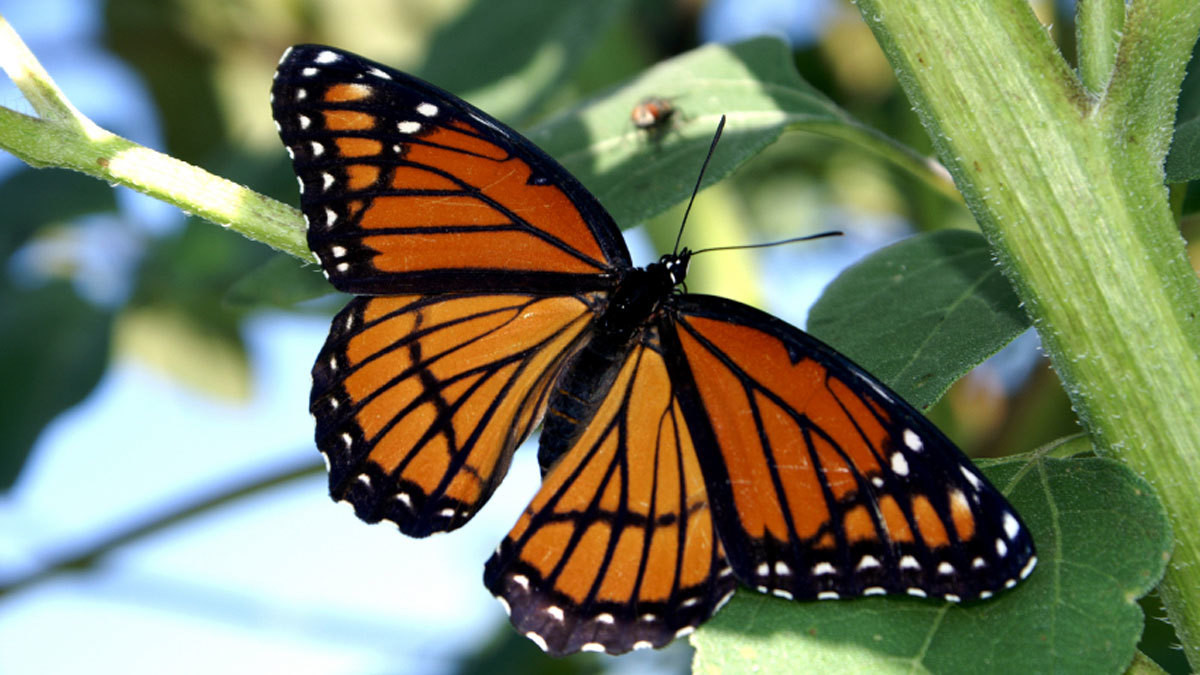
8 - Alien Empire: Hardware & Replicators
Air Date: February 11, 1996
"Alien Empire," a three-part exploration of the world of insects, begins with survival methods used by many species. Included: how exoskeletons provide protection and can be used offensively; unusual reproductive habits of mayflies and wasps.
9 - Alien Empire: Battlezone & Metropolis
Air Date: February 12, 1996
Part 2 of "Alien Empire" delves into the violence and communal living that are at the core of insect life. Included: cockroach and butterfly eating techniques; highly effective termite killers called "assassin bugs."
10 - Alien Empire: Voyagers and War of the Worlds
Air Date: February 13, 1996
"Alien Empire" concludes with a look at how insects have spread and how humans have tried to combat that expansion. Included: crickets that have adapted to climatic extremes; the threat posed by gypsy-moth caterpillars.
11 - Jane Goodall's Wild Chimpanzees
Air Date: March 3, 1996
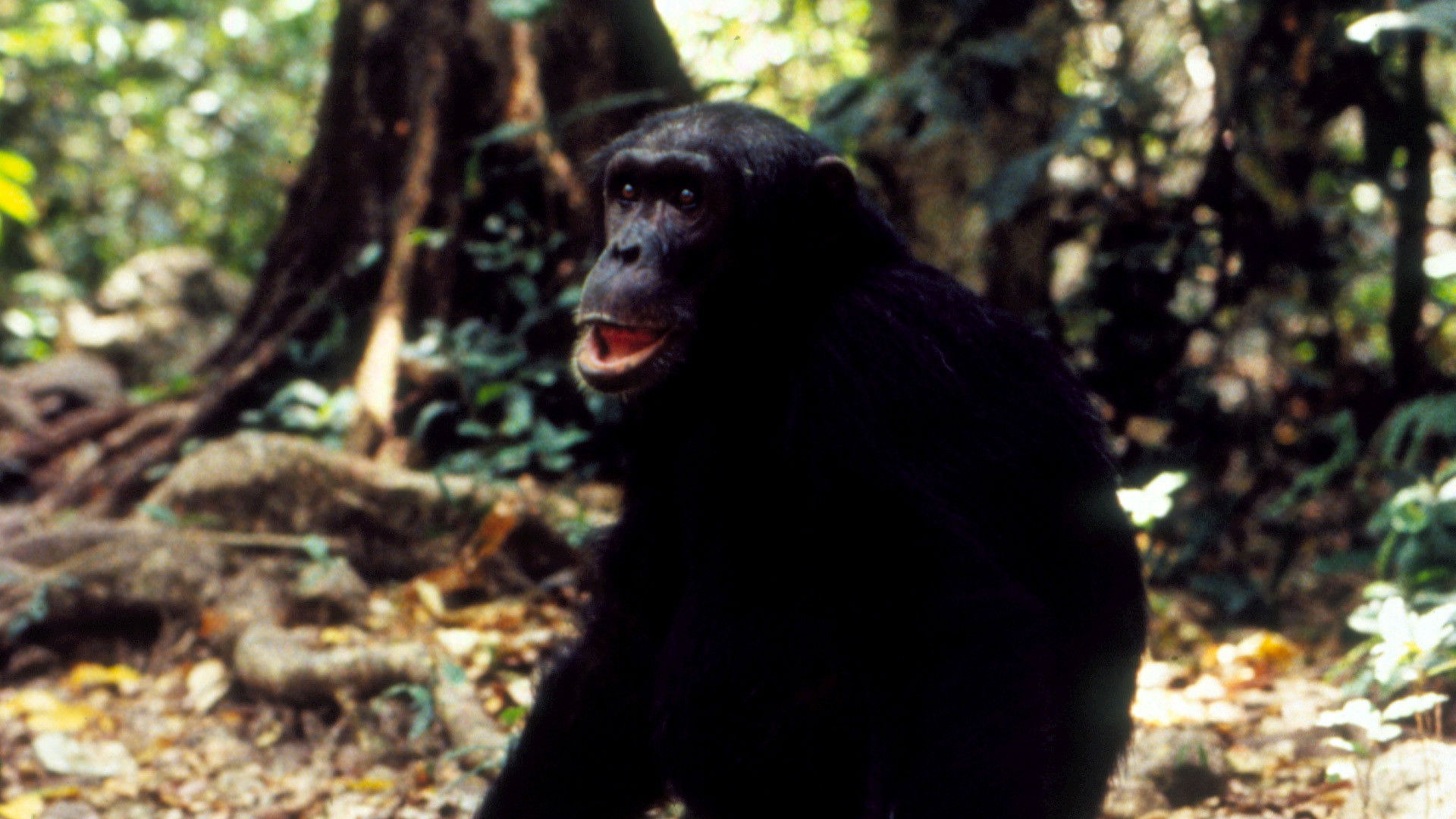
Jane Goodall introduces a program that charts a "sweeping family saga" as it plays out among chimps in Tanzania's Gombe National Park. Observed: how the younger offspring try to capture their mother's attention.
12 - Victims of Venom
Air Date: March 31, 1996
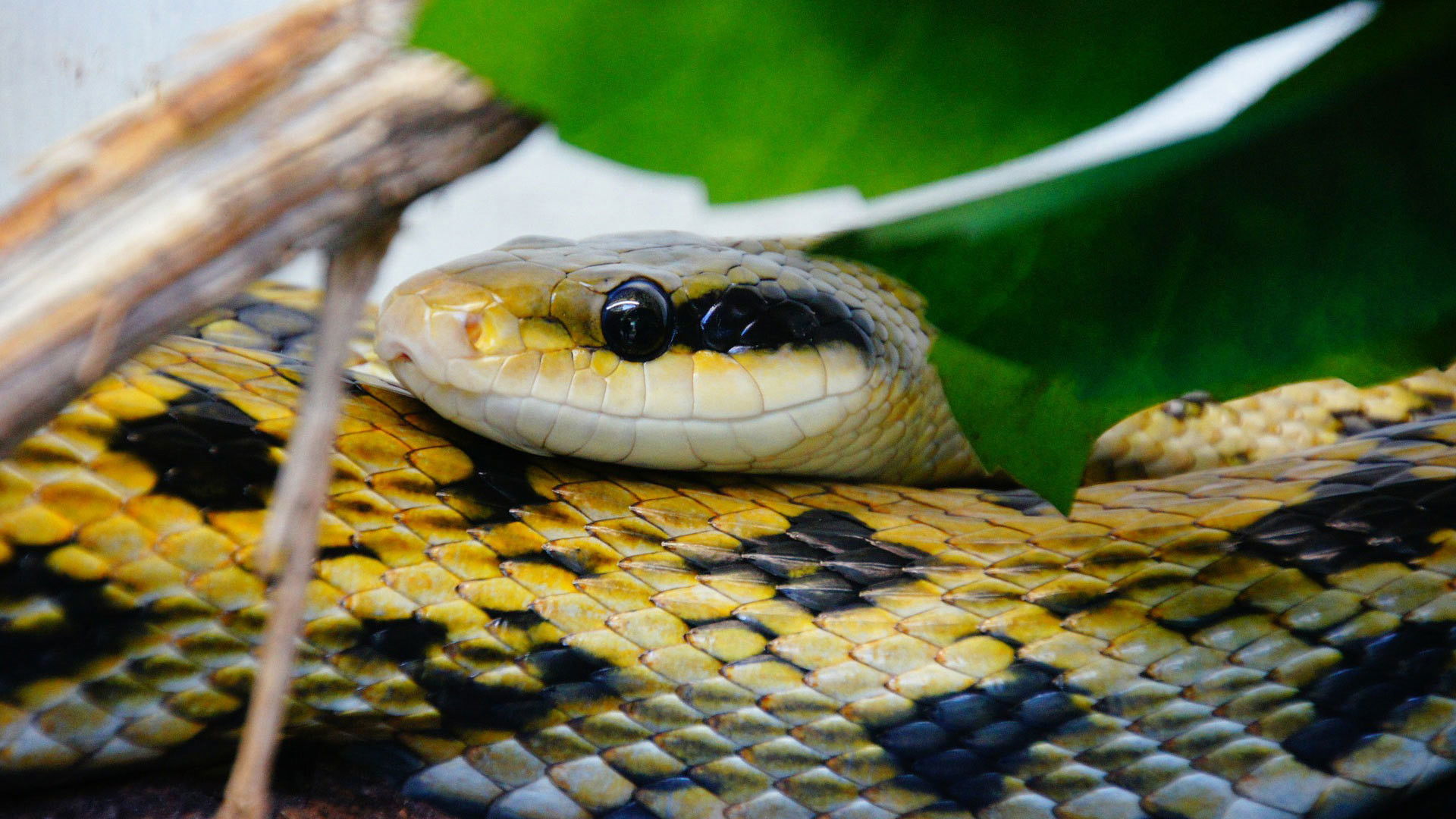
A look at snakes, sea creatures and plants that employ venom, either as a defense mechanism or as a way to disable prey. Included: king and Siamese cobras; scorpions; rattlesnakes; and the Australian blue-ringed octopus.
13 - Call of Kakadu
Air Date: May 5, 1996
Exploring the wildlife and terrain in the wilderness of Australia's Kakadu National Park, where years are divided between droughts and monsoons. Included: Gouldian finches, sulphur-crested cockatoos, magpie geese, dingoes and wallabies
14 - Monsoon
Air Date: May 12, 1996
Tracing the monsoon season when India receives most of its rain. Included: how the rains avert droughts on most of the subcontinent, but also cause massive flooding. Observed: gharial crocodiles; weaverbirds; Indian elephants; one-horned rhinos; langurs.