The Life of Mammals - Season 1

1 - A Winning Design
Air Date: November 20, 2002
From the tiniest bat to the massive blue whale, all mammals share the ability to nurture their young on milk and regulate their own temperatures.

2 - Insect Hunters
Air Date: November 27, 2002
Mammals from tiny shrews to giant anteaters have specialised in eating insects. Some have even pursued their prey into the skies.

3 - Plant Predators
Air Date: December 4, 2002
The plant eaters take on the largely indigestible, spiny and poisonous defences of plants with some spectacular physical adaptations to diet.
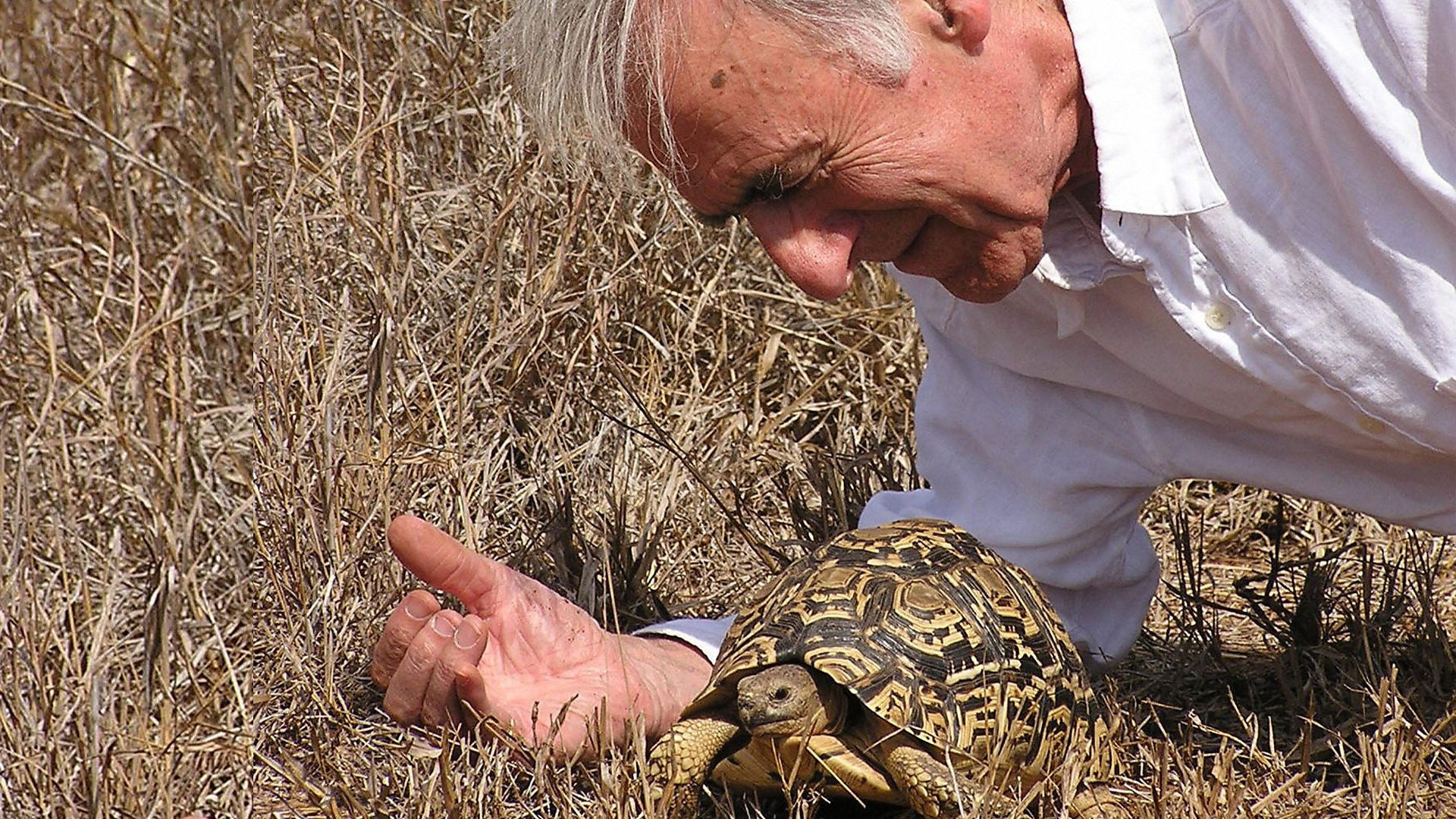
4 - Chisellers
Air Date: December 11, 2002
Special tools like chisel sharp front teeth and underground dwelling enable this group of mammals to feast on roots and seeds.

5 - Meat Eaters
Air Date: December 18, 2002
Predators and prey must evolve speed, endurance and manoeuvrability to outwit each other, and the pack hunters must maintain order in the ranks.

6 - Opportunists
Air Date: January 8, 2003
A mammal capable of having a varied diet can be highly adaptable and exploit new environments including the cities where they thrive.

7 - Return to the Water
Air Date: January 15, 2003
With perfect streamlined bodies and great underwater speed, seals, dolphins, porpoises and whales became the new hunters of the sea..
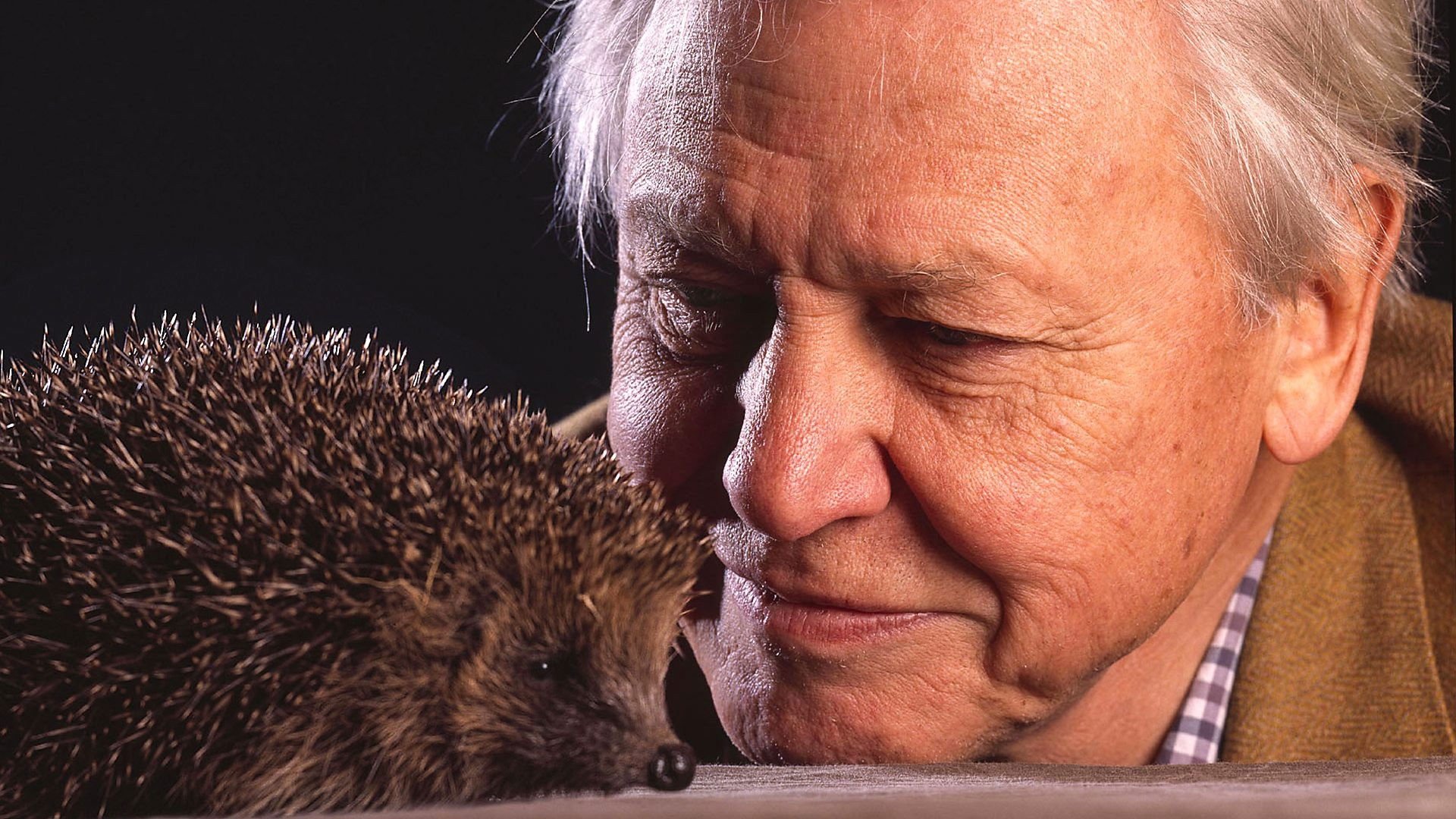
8 - Life in the Trees
Air Date: January 22, 2003
A range of adaptations from sucker-feet to gripping tails help the tree dwellers to survive, and in the dark forest super senses come in to play.

9 - Social Climbers
Air Date: January 29, 2003
In the daily hubbub of monkey life, only those with a talent for social wheeler dealing get ahead, driving the shift towards larger brains.

10 - Food for Thought
Air Date: February 5, 2003
The natural world was transformed when one great ape began to walk upright - us. But why has this led to the development of our extraordinary brains?